

Quick Summary – Here's What You'll Learn:
- The most common pregnancy pains and discomforts
- Why pregnancy aches and pains happen
- Safe ways to relieve pregnancy pain at home
- When discomfort is normal and when to seek advice
- How better sleep and support can reduce pregnancy aches
- FAQs about pregnancy pain relief
Why Pregnancy Can Be So Uncomfortable
Pregnancy is incredible, but let's be honest, it's not always comfortable.
As your body adapts to support your growing baby, hormones, weight changes, shifting posture, and stretched muscles can all contribute to new aches and pains. While some discomfort is completely normal, it can still make everyday activities and sleep much harder than usual.
The good news is that many common pregnancy pains can be managed with the right support, gentle movement, and a few simple adjustments to your daily routine.
Let's look at the most common pregnancy pains and what you can do to find relief.
Lower Back Pain During Pregnancy
Back pain is one of the most common pregnancy complaints, especially during the second and third trimesters.
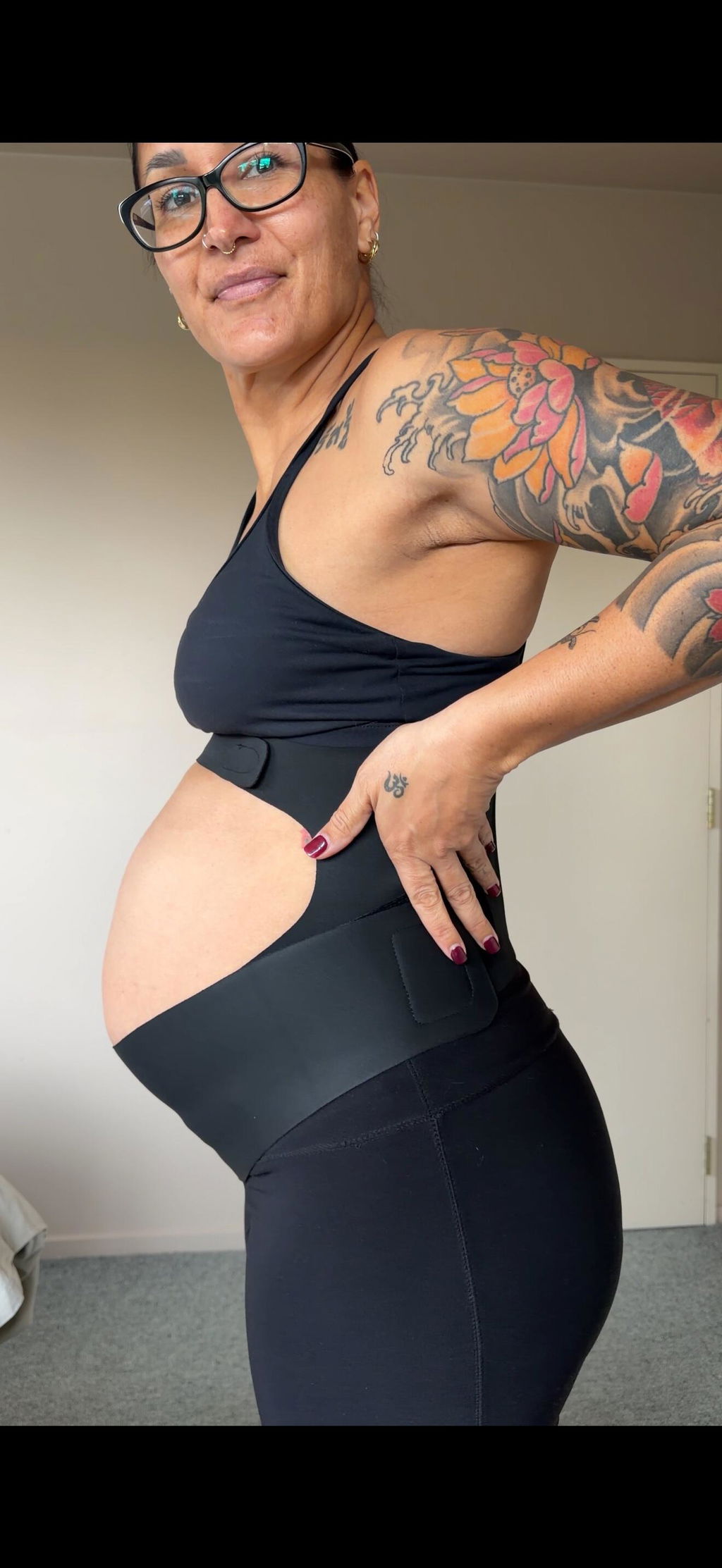
As your bump grows, your centre of gravity shifts forward, placing extra strain on your lower back muscles. Pregnancy hormones also loosen ligaments and joints, which can make your back feel less stable and more prone to discomfort.
What Helps?
- Maintain good posture where possible
- Avoid standing for long periods
- Gentle pregnancy safe stretching
- Warm baths or heat packs
- Sleeping with proper support
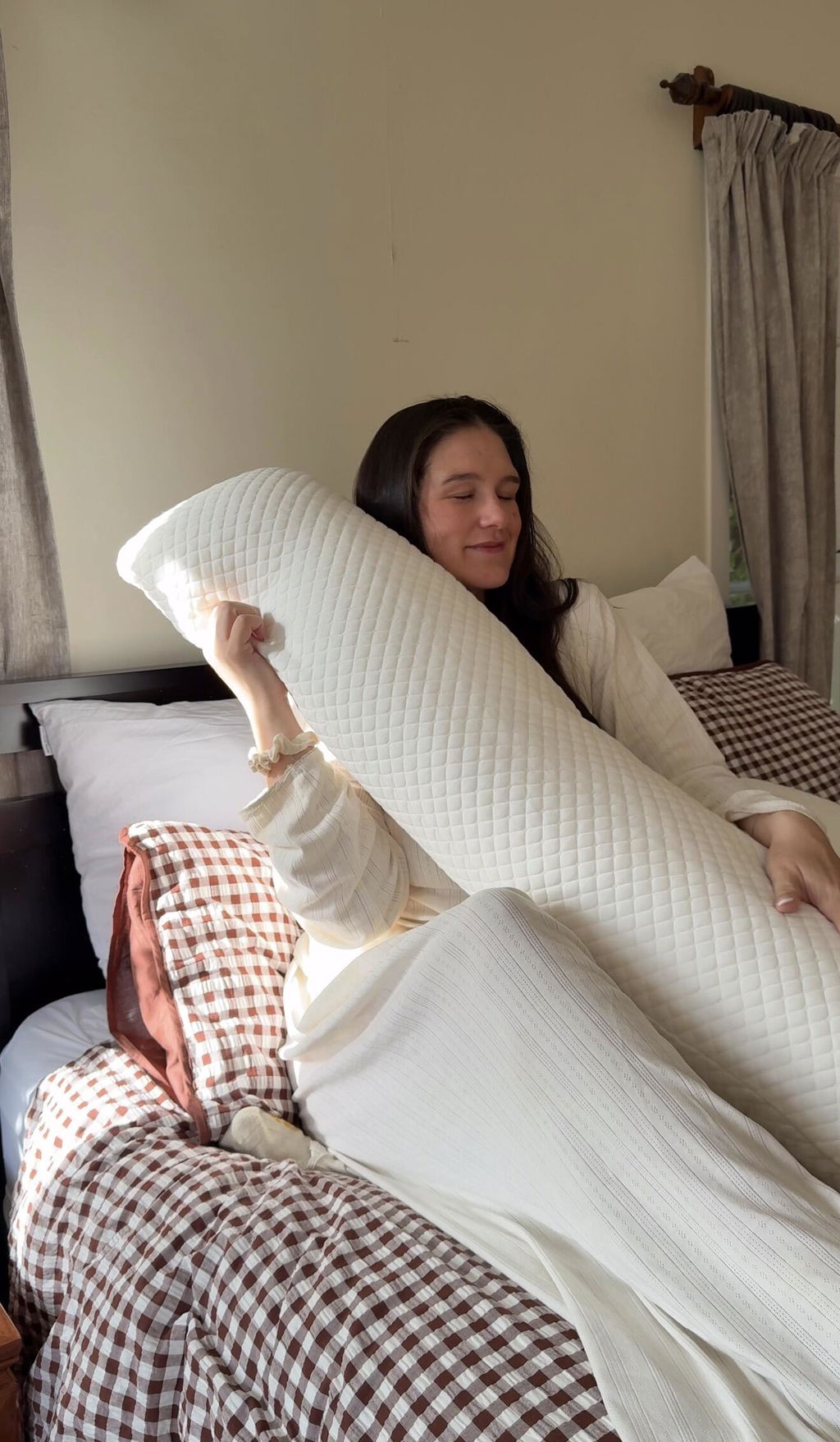
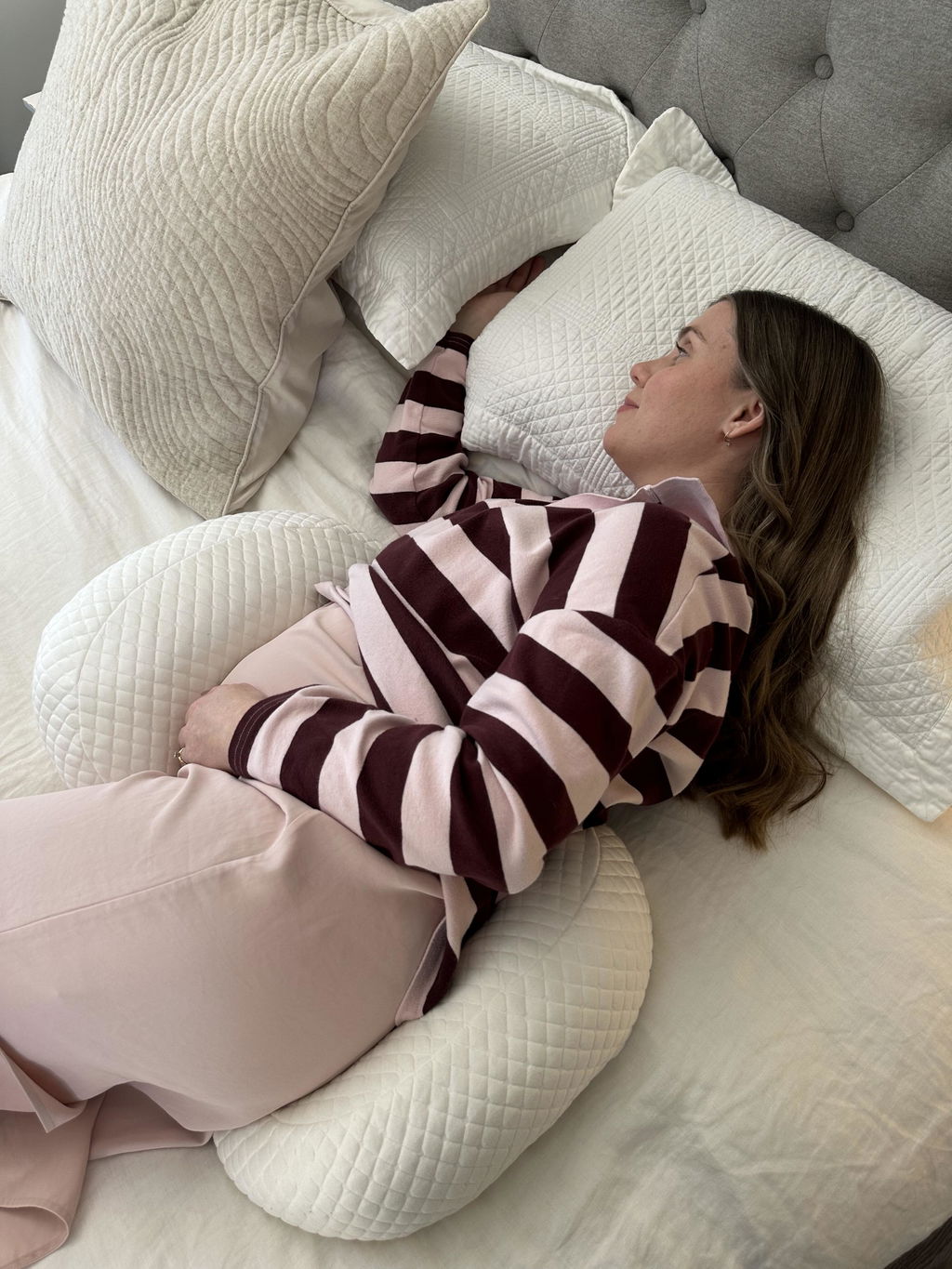
Many mums find that a pregnancy pillow significantly reduces back pain at night by supporting both the bump and lower back simultaneously.

Hip Pain During Pregnancy
If you've ever woken up with aching hips after sleeping on your side, you're not alone.
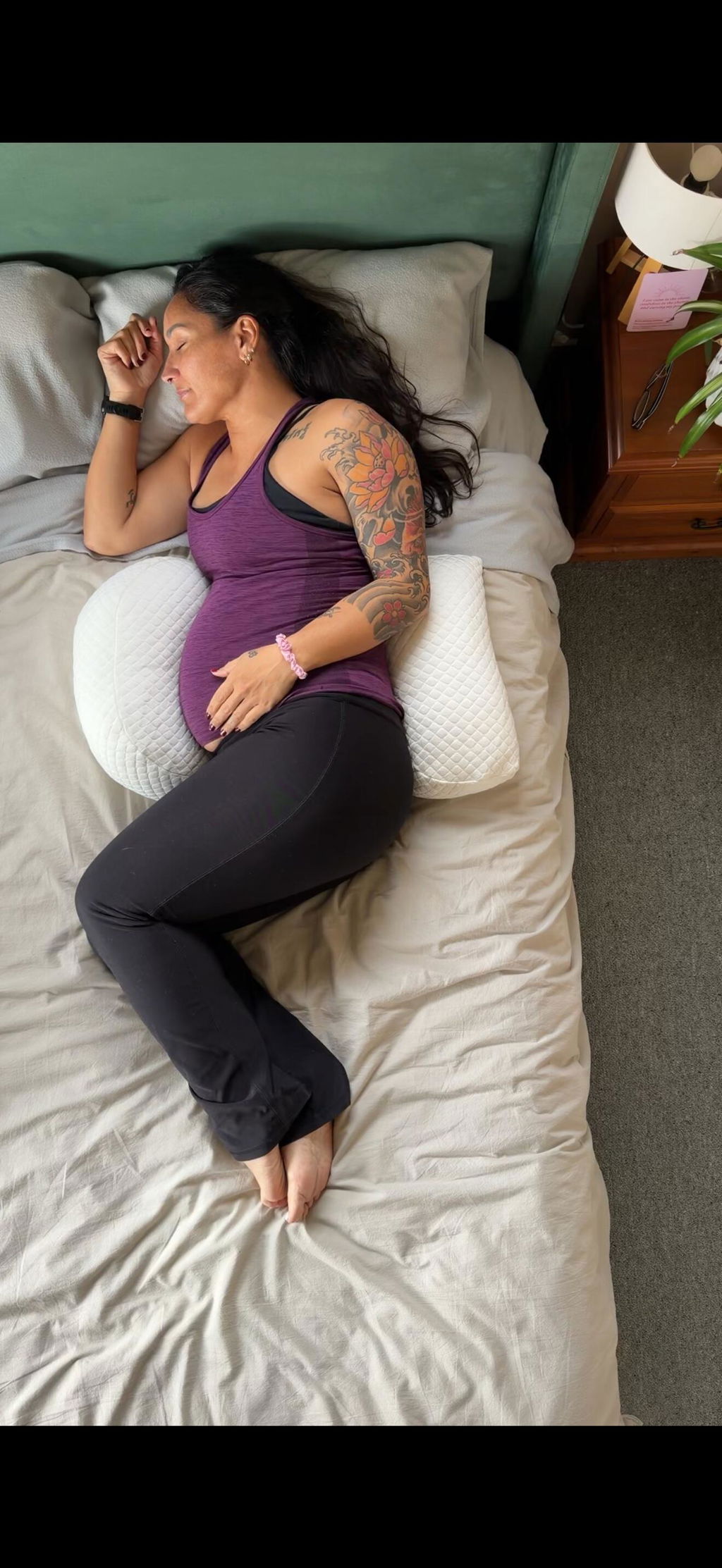
Side sleeping is recommended during pregnancy, but without enough support, pressure can build on the hips throughout the night.
What Helps?
- Sleeping with a pillow between your knees
- Supporting your bump while side sleeping
- Gentle exercise and walking
- Regular position changes
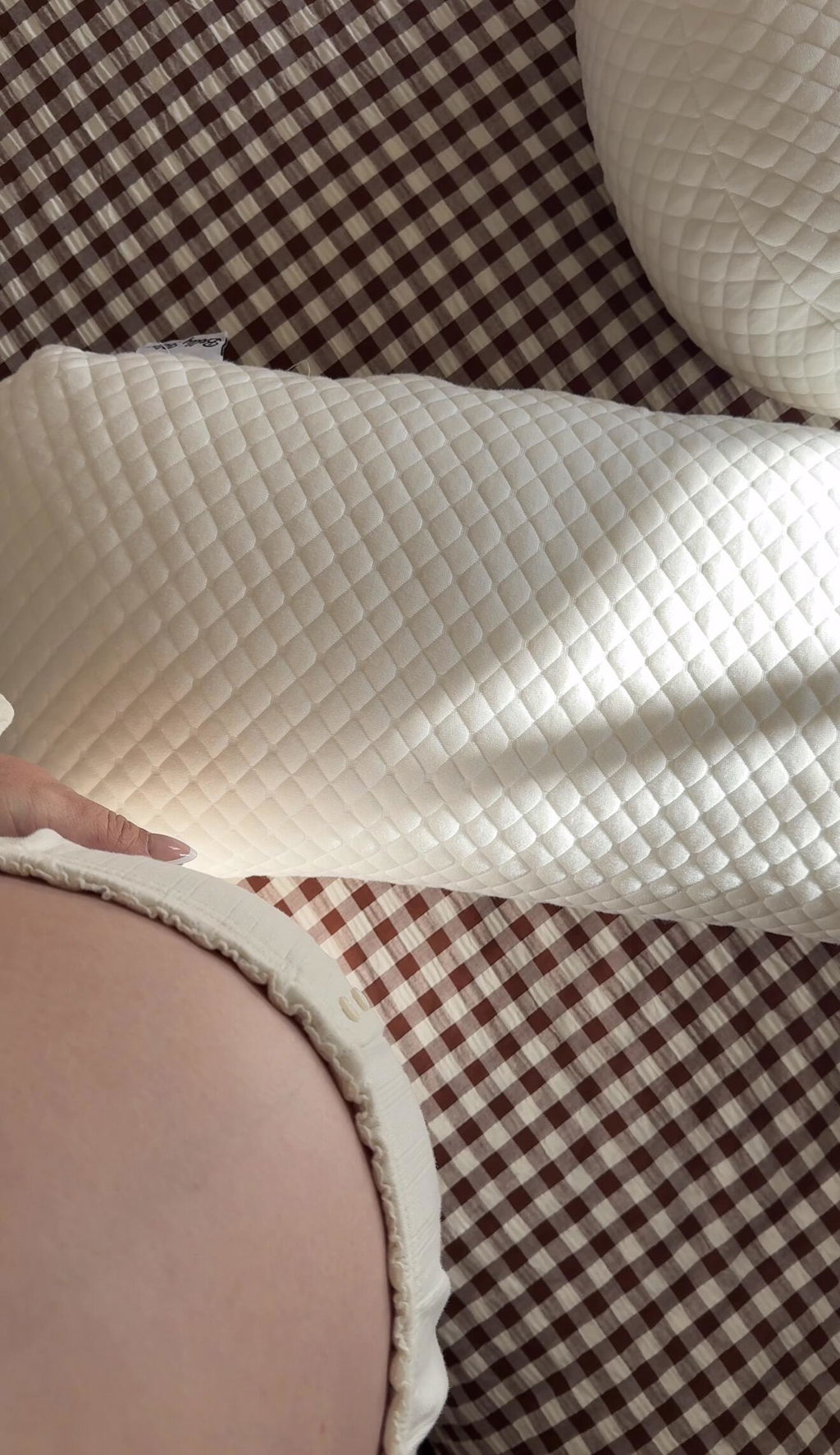
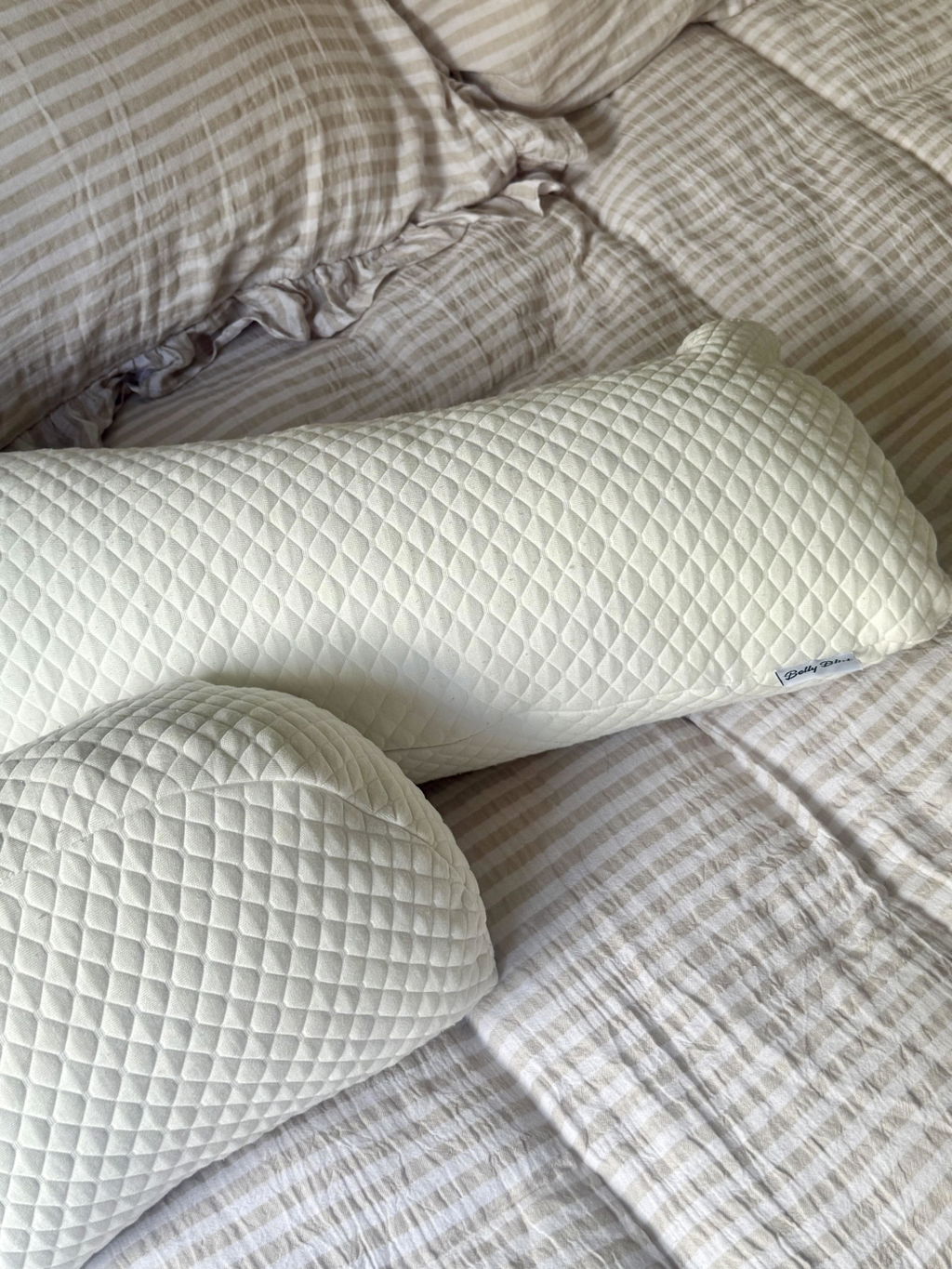
The Belly Bliss Pregnancy Pillow is designed to support your hips, bump, and back at the same time, helping distribute pressure more evenly and making side sleeping far more comfortable. Read more about the benefits of using a pregnancy pillow here.
Pelvic Girdle Pain (PGP)
Pelvic girdle pain, sometimes called SPD (Symphysis Pubis Dysfunction), affects many pregnant women.
You may notice:
- Pain around the pelvis
- Discomfort when walking
- Pain climbing stairs
- Difficulty turning over in bed
This happens because pregnancy hormones loosen the ligaments around your pelvis in preparation for birth.
What Helps?
- Avoid movements that strain one leg at a time
- Keep your knees together when getting out of bed
- Wear supportive footwear
- Use pillows to keep your hips aligned while sleeping
If pelvic pain is affecting daily life, speak with your midwife, GP, or physiotherapist for personalised advice.
Round Ligament Pain
Round ligament pain often feels like a sharp or pulling sensation on one or both sides of your lower belly.
It commonly appears during the second trimester as the ligaments supporting your uterus stretch to accommodate your growing baby.
What Helps?
- Move slowly when standing up
- Avoid sudden twisting movements
- Gentle stretching
- Rest when discomfort flares up
Although it can feel alarming, round ligament pain is usually harmless and very common.
Leg Cramps During Pregnancy
Many women experience leg cramps, particularly at night.
While the exact cause isn't fully understood, factors may include:
- Changes in circulation
- Muscle fatigue
- Increased pressure on blood vessels
What Helps?
- Gentle calf stretches before bed
- Staying hydrated
- Light exercise during the day
- Supporting your legs while sleeping
Rib Pain and Breathlessness
As your baby grows upward, your ribs expand and your diaphragm has less room to move.
This can lead to:
- Aching ribs
- Pressure under the ribs
- Feeling short of breath
What Helps?
- Sitting upright
- Taking regular breaks
- Sleeping slightly elevated
- Maintaining good posture
Fortunately, many women notice relief once baby drops lower in late pregnancy.

Wrist and Hand Pain
Some pregnant women develop numbness, tingling, or pain in their hands and wrists, often due to fluid retention putting pressure on nerves.
What Helps?
- Avoid repetitive hand movements
- Gentle stretching
- Wrist supports if recommended
- Keeping hands elevated when possible
Most symptoms improve after birth.
How Better Sleep Can Help Reduce Pregnancy Pain
One thing many pregnancy discomforts have in common is that they're often worse when you're tired.
Poor sleep can make aches feel more intense and leave your muscles feeling less able to cope with daily demands.
Creating a supportive sleep environment can make a significant difference.
Many mums find relief by using a pregnancy pillow that supports:
- The bump
- Hips
- Knees
- Lower back
If you'd like to learn more, read our related guides:
- What Does a Pregnancy Pillow Do?
- How to Sleep When Pregnant: Tips and Tricks
- Do I Really Need a Pregnancy Pillow?
- Can I Sleep on My Back During Pregnancy?
FAQs About Pregnancy Pains
Are pregnancy aches and pains normal?
Yes. Most pregnancy discomforts are caused by normal hormonal and physical changes as your body adapts to support your baby.
When should I worry about pregnancy pain?
Contact your healthcare provider if pain is severe, sudden, persistent, or accompanied by symptoms such as bleeding, fever, or reduced fetal movements.
Can a pregnancy pillow help with pregnancy pain?
Many women find that a pregnancy pillow helps reduce hip pain, back pain, pelvic discomfort, and sleep disturbances by providing targeted support.
Why are my hips so sore at night?
Side sleeping can place pressure on the hips. Supporting your knees, bump, and back can help improve alignment and reduce discomfort.
Will pregnancy pains go away after birth?
Most pregnancy-related aches improve significantly after delivery as hormones stabilise and physical pressure decreases.
Final Thoughts
Experiencing aches and pains during pregnancy is incredibly common, but that doesn't mean you have to simply put up with them.
Understanding what's causing your discomfort is the first step toward finding relief.
Key Things to Remember:
- Most pregnancy pains are caused by normal physical and hormonal changes.
- Hip, back, pelvic, and ligament pain are among the most common complaints.
- Gentle movement, good sleep support, and proper positioning can make a big difference.
- If pain feels severe or unusual, always seek medical advice.
Small changes often have a big impact. Prioritising comfort, especially while sleeping, can help you feel more rested, supported, and better able to enjoy your pregnancy journey.
Looking for relief from pregnancy aches and pains?
Shop the Belly Bliss Pregnancy Pillow and discover how the right support can transform your sleep and comfort throughout pregnancy.