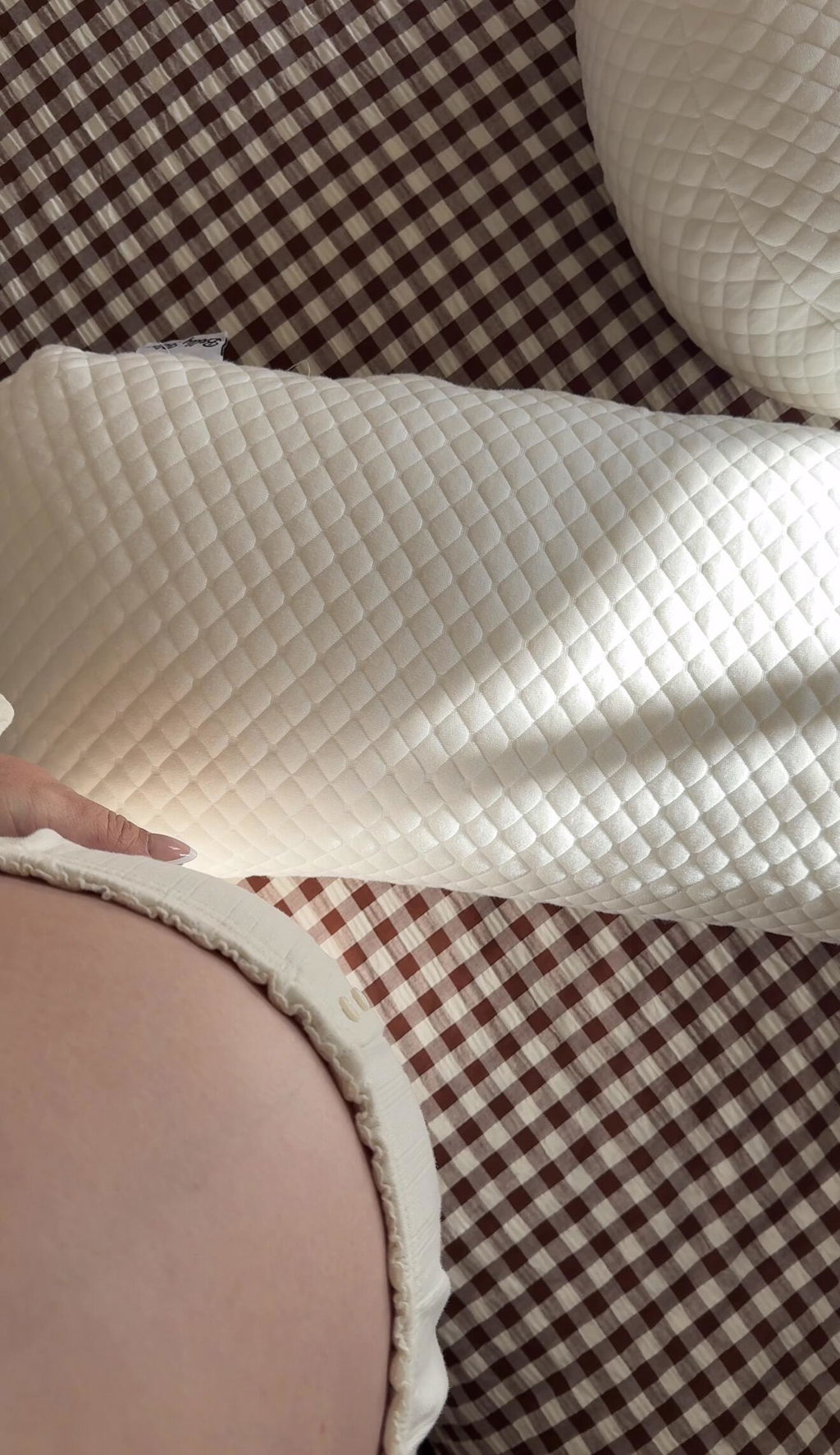


Pregnancy can make sleep feel like a luxury. Between a growing bump, bathroom trips, and an overactive mind thinking about your baby, getting good rest can be tough.
But here’s an important truth backed by research: the sleep you get during pregnancy doesn’t just help you, it supports your baby’s brain, memory, and overall development too. Good sleep helps regulate hormones, supports fetal brain growth, and creates the optimal environment for your little one.
Even small improvements in sleep quality can make a meaningful difference, both for your wellbeing and for your baby’s early development.
What You’ll Learn
In this article, you’ll discover:
-
Why sleep is essential during pregnancy for both you and your baby
-
How maternal rest affects your baby’s brain, memory, and motor development
-
Links to scientific research supporting the connection between sleep and fetal outcomes
-
Practical, expert‑backed tips to improve sleep during pregnancy
-
How supportive tools like pregnancy pillows can make rest more comfortable
Why Sleep Matters During Pregnancy
Sleep is more than rest, it’s when your body does essential “housekeeping.” During pregnancy, this has benefits for both you and your developing baby:
-
Reduces stress hormones: Quality sleep helps manage levels of cortisol, a stress hormone that, when elevated, can influence fetal development.
-
Improves blood flow: Restful sleep enhances circulation, delivering oxygen and nutrients to your baby more efficiently.
-
Balances growth hormones: Sleep supports hormones involved in fetal growth and brain development.
During pregnancy, many women experience poor sleep quality or disrupted sleep patterns. Yet evidence shows that inadequate sleep may be linked to developmental challenges later in infancy. For example, research in the Journal of Clinical Endocrinology & Metabolism found that pregnant women who slept less than 7 hours per night were more likely to have children with neurodevelopmental delays in areas like motor skills, cognition, and behaviour.
How Sleep Supports Your Baby’s Brain and Development
Maternal sleep doesn’t just make you feel rested, it’s connected to your baby’s brain development in measurable ways:
1. Neurological Structure
A study published in Developmental Science found that maternal sleep disturbances and circadian rhythm disruptions during pregnancy were associated with differences in neonatal brain structure, including reduced cortical and white matter volumes.
2. Learning and Memory Pathways
While direct human studies are limited due to ethical reasons, research shows that sleep restriction during pregnancy can impair neural plasticity, especially in brain areas involved with learning and memory.
3. Long‑term Development Outcomes
A systematic review of prenatal sleep research found consistent links between poor maternal sleep and offspring developmental outcomes, including behavioral differences, cognitive challenges, and altered brain function in childhood.
These findings help explain why sleep during pregnancy isn’t just about comfort, it plays an active role in creating the healthiest possible environment for your baby’s brain to grow.
Practical Tips for Better Sleep During Pregnancy
Sleeping comfortably while pregnant can take a little planning. Here are expert‑backed strategies to help you rest more effectively:
1. Get Comfortable with Supportive Tools
A pregnancy pillow, like the Belly Bliss Pregnancy Pillow supports your bump, hips, and back, helping you maintain a comfortable sleep position throughout the night.
2. Stick to a Routine
Going to bed and waking up at the same time every day helps regulate your circadian rhythm, making it easier to fall asleep and wake up feeling refreshed.
3. Limit Screens Before Bed
The blue light from phones and tablets can interfere with melatonin, the hormone that helps your body fall asleep. Try reading, stretching, or breathing exercises instead.
4. Relax Your Mind
Deep breathing, meditation, prenatal yoga, or a warm shower before bed can calm your nervous system and signal to your body that it’s time to rest.
5. Stay Hydrated (But Time It)
Drink plenty of water during the day, but taper off closer to bedtime to reduce late‑night bathroom trips.
How Belly Bliss Supports Better Pregnancy Sleep
Comfort plays a big role in how well you sleep, especially as your body changes throughout pregnancy. A Belly Bliss pregnancy pillow helps align your spine, relieve pressure points, and make deep sleep more achievable, even in the third trimester.
Pairing a supportive pillow with good sleep routines means better rest for you and a healthier environment for your baby’s development. Many mums report feeling more refreshed, less achy, and more able to enjoy their pregnancy.
Bottom Line
Sleep during pregnancy isn’t a luxury, it’s a form of prenatal care.
Research links good maternal sleep to healthier brain development, better cognitive outcomes, and stronger early motor skills in babies. Prioritising sleep helps regulate stress hormones, supports fetal growth, and gives both you and your baby the best possible start.
Resting well, using supportive tools like pregnancy pillows, and following simple bedtime routines can make a real difference in how you feel and how your baby develops.