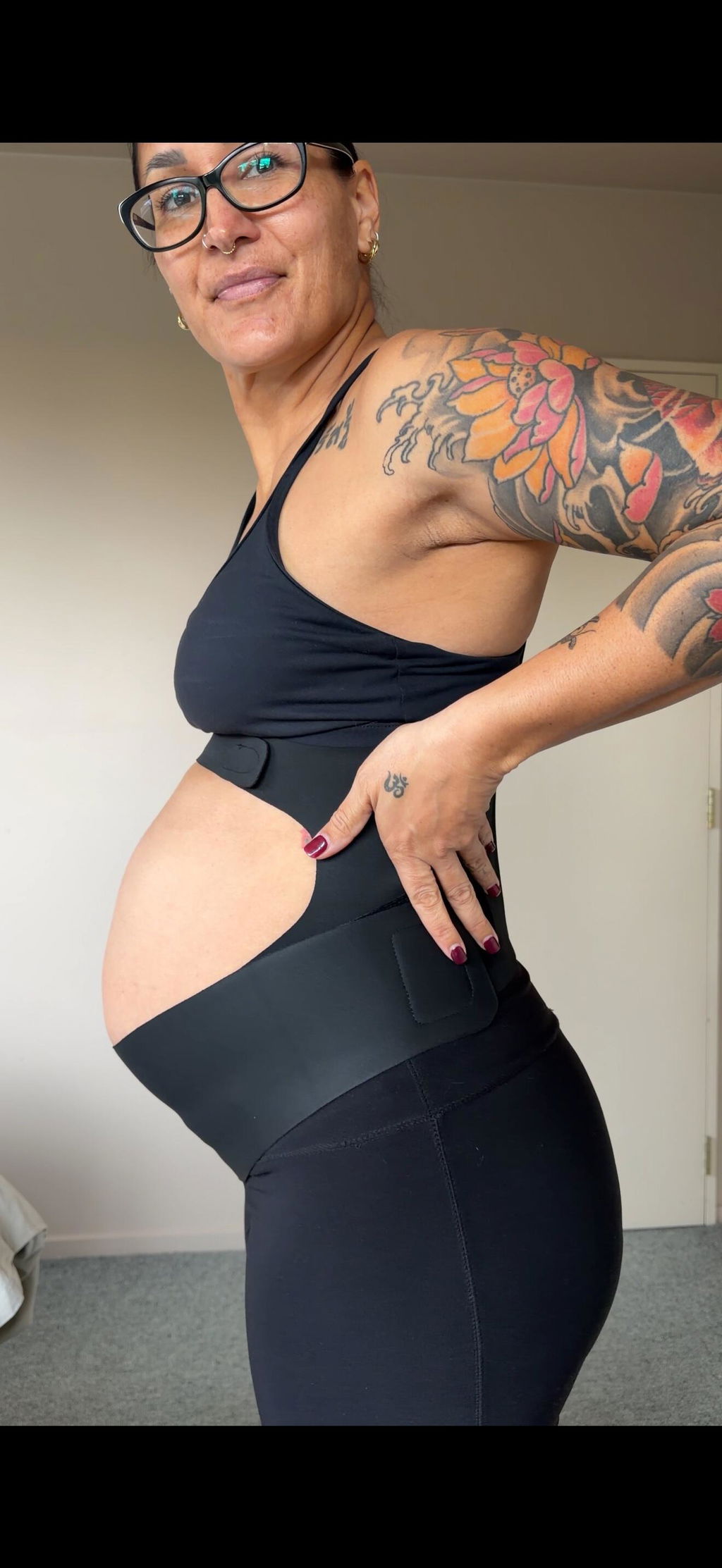


Quick Summary – Here’s What You’ll Learn:
-
When to start using a pregnancy pillow based on your trimester
-
How pregnancy pillows support your changing body and improve sleep
-
How they reduce aches, improve sleep, and offer support beyond pregnancy
-
Answers to common questions about pillow use, purpose, and value
When Should You Start Using a Pregnancy Pillow?
There's no set rule for when you should start using a pregnancy pillow. My advice is simple: if you're no longer sleeping comfortably with your usual pillows, it's probably time.
As a mum of two, I started using a pregnancy pillow at around 16 weeks. Looking back, I'm so glad I didn't wait until I was desperate for a good night's sleep. Introducing it early gave my body time to adjust to sleeping with the extra support, and by the third trimester I honestly couldn't imagine sleeping without it.
Every pregnancy is different. Some mums need extra support in the first trimester, while others don't feel they need it until much later. The right time is whenever your body starts asking for a little more comfort.
Why Sleep Gets Harder During Pregnancy
Pregnancy has a way of changing your sleep almost overnight.
One week you're sleeping exactly as you always have, and the next you're waking every time you roll over, trying to wedge spare pillows under your bump or between your knees.
That was certainly my experience.
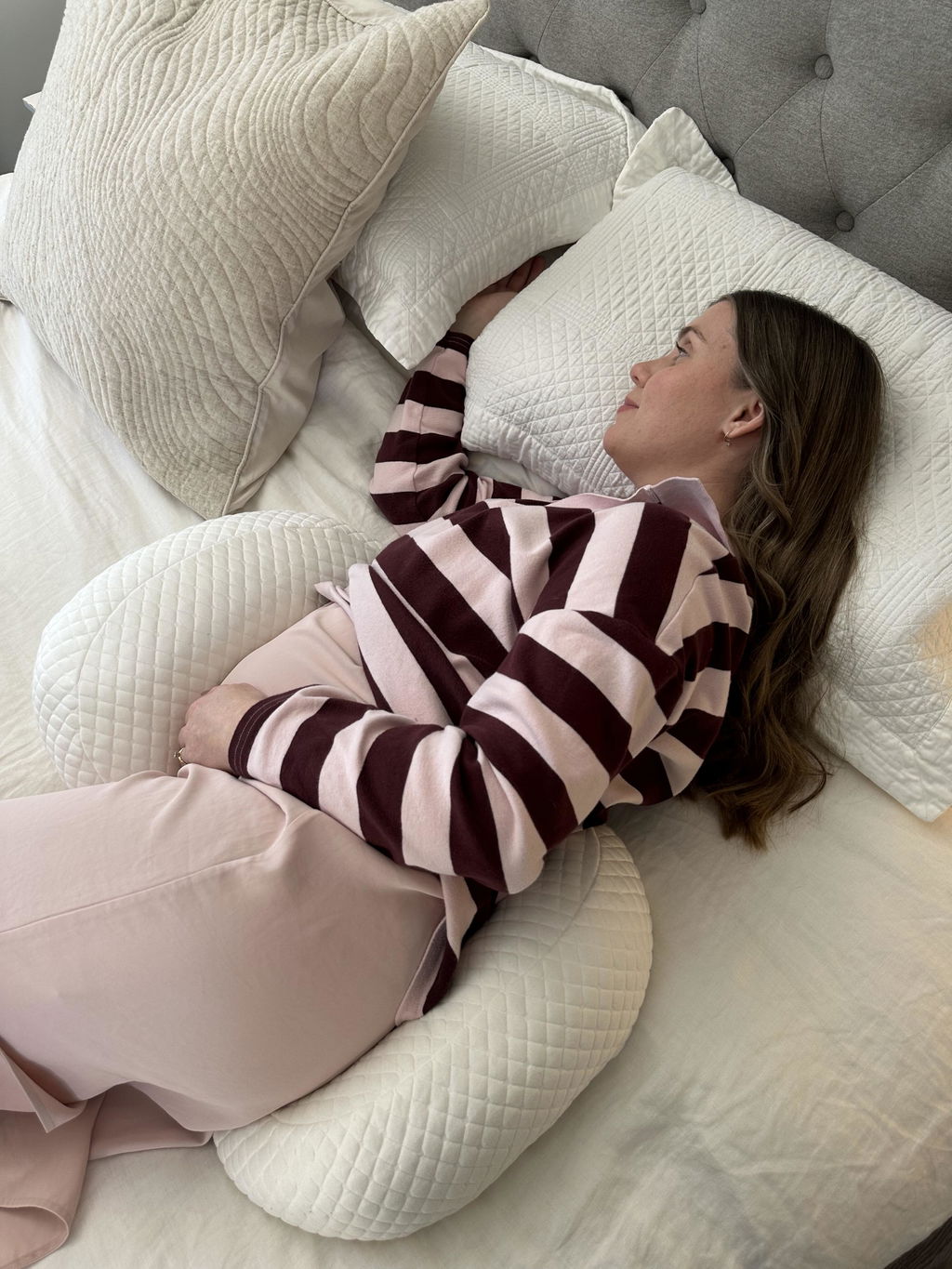
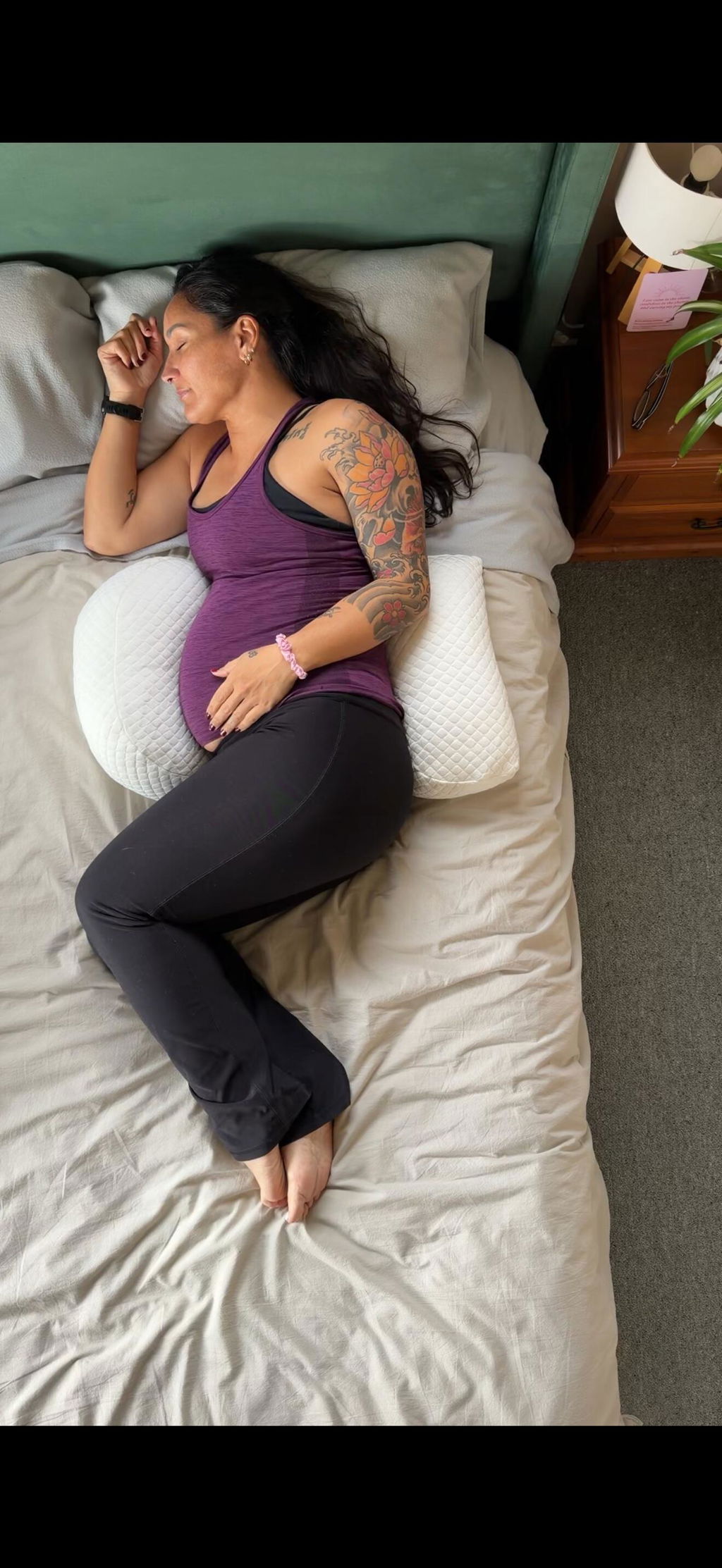
During my second pregnancy, rolling over in bed became one of the hardest parts of the night. I'd wake every time I changed sides because of the pressure through my hips and pelvis. Once I started sleeping with proper support between my knees, under my bump and behind my back, I noticed I wasn't waking nearly as often.
As your baby grows, you may start noticing:
- Hip pain
- Pelvic discomfort
- Lower back pain
- Pressure on your growing bump
- Frequent waking during the night
- Difficulty finding a comfortable sleeping position
Health New Zealand recommends sleeping on your side from around 28 weeks of pregnancy, as side sleeping supports healthy blood flow for both you and your baby. While side sleeping is recommended, it isn't always comfortable without the right support.
That's where a pregnancy pillow can make a real difference.
When Should You Start Using One? A Trimester Guide
First Trimester
Many women don't need a pregnancy pillow this early, but there's certainly no harm in starting.
If you're already dealing with bloating, back discomfort or simply finding it harder to get comfortable, extra support can make a noticeable difference.
Some mums also like using a small wedge pillow during early pregnancy for gentle support.
Second Trimester
This is when most mums begin using a pregnancy pillow.
It's also when I introduced mine.
Around 16 weeks, my growing bump meant my usual sleeping position just wasn't comfortable anymore. Starting early meant my body gradually adjusted to sleeping with the extra support, so by the third trimester it felt completely natural.
A pregnancy pillow during the second trimester helps:
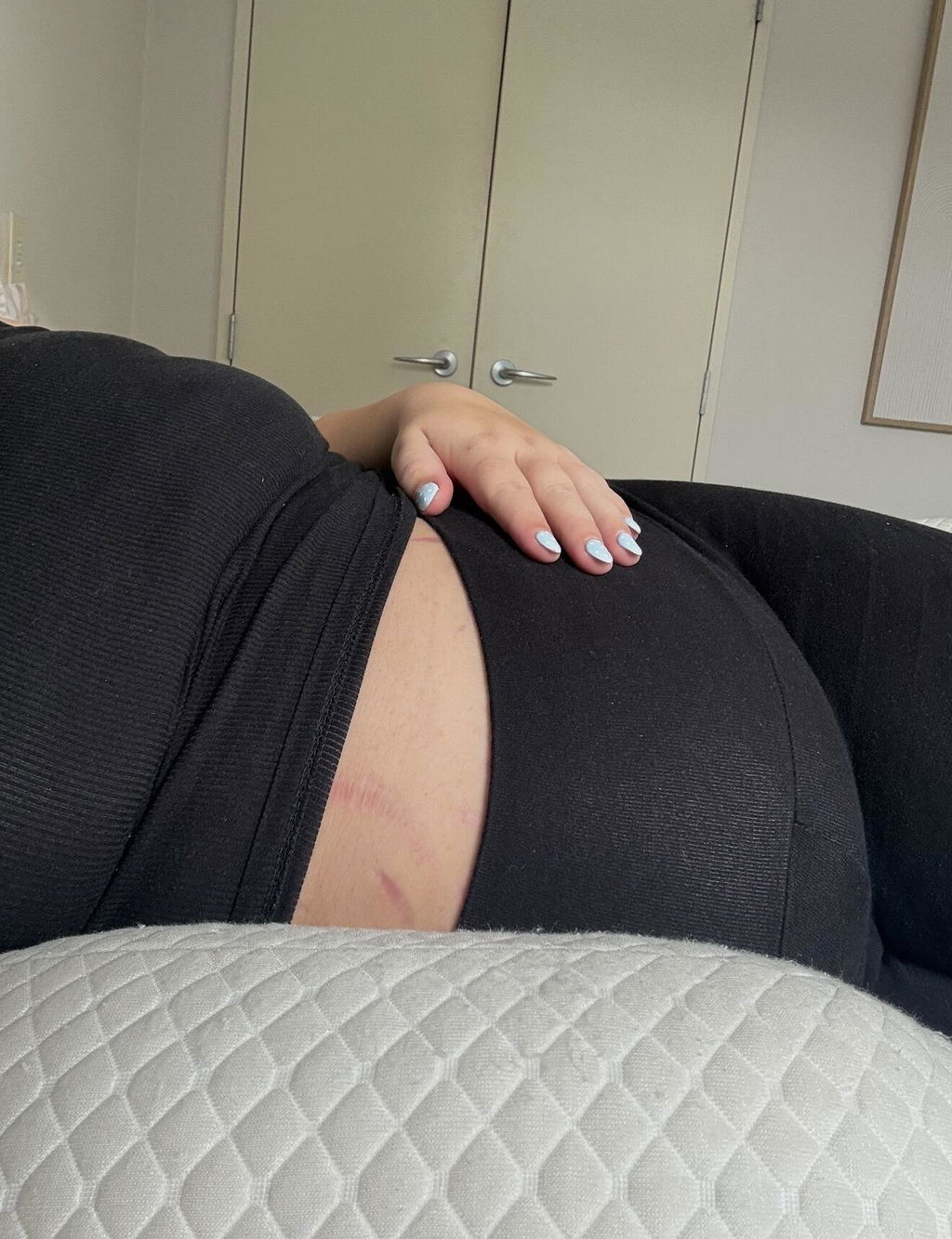
- Support your growing bump
- Reduce pressure on your hips and pelvis
- Keep your spine aligned
- Encourage comfortable side sleeping
Third Trimester
If you've made it this far without a pregnancy pillow, this is often when sleep becomes the biggest challenge.
Supporting your bump, knees, hips and back all at once can make a huge difference to your comfort overnight.
Many mums find they wake less often, roll over more comfortably and feel less sore in the morning.

Why a Pregnancy Pillow Helps
A pregnancy pillow isn't designed to make pregnancy disappear, it simply supports the parts of your body working the hardest.
Rather than juggling multiple pillows every night, it keeps everything in place so your body stays better aligned while you sleep.
Some of the biggest benefits include:
Better Sleep
The biggest difference I noticed was simply waking up less often. Instead of constantly repositioning pillows during the night, everything stayed exactly where I needed it.
Less Hip and Pelvic Pain
Supporting your knees and keeping your hips aligned helps reduce pressure through your pelvis and lower back, making rolling over much more comfortable.
Comfortable Side Sleeping
A pregnancy pillow helps make side sleeping feel much more natural by supporting your bump and preventing you from feeling like you're falling forwards.
Everyday Comfort
Pregnancy pillows aren't just for bedtime.
Many mums use them while reading, watching TV, resting swollen legs or simply relaxing on the couch.
Why I Designed the Belly Bliss Pregnancy Pillow
After using pregnancy pillows during my own pregnancies, I realised they all seemed to have the same problem.
They were bulky, difficult to reposition and, once baby arrived, they were often pushed into the cupboard and forgotten.
When I created Belly Bliss, I wanted something different.
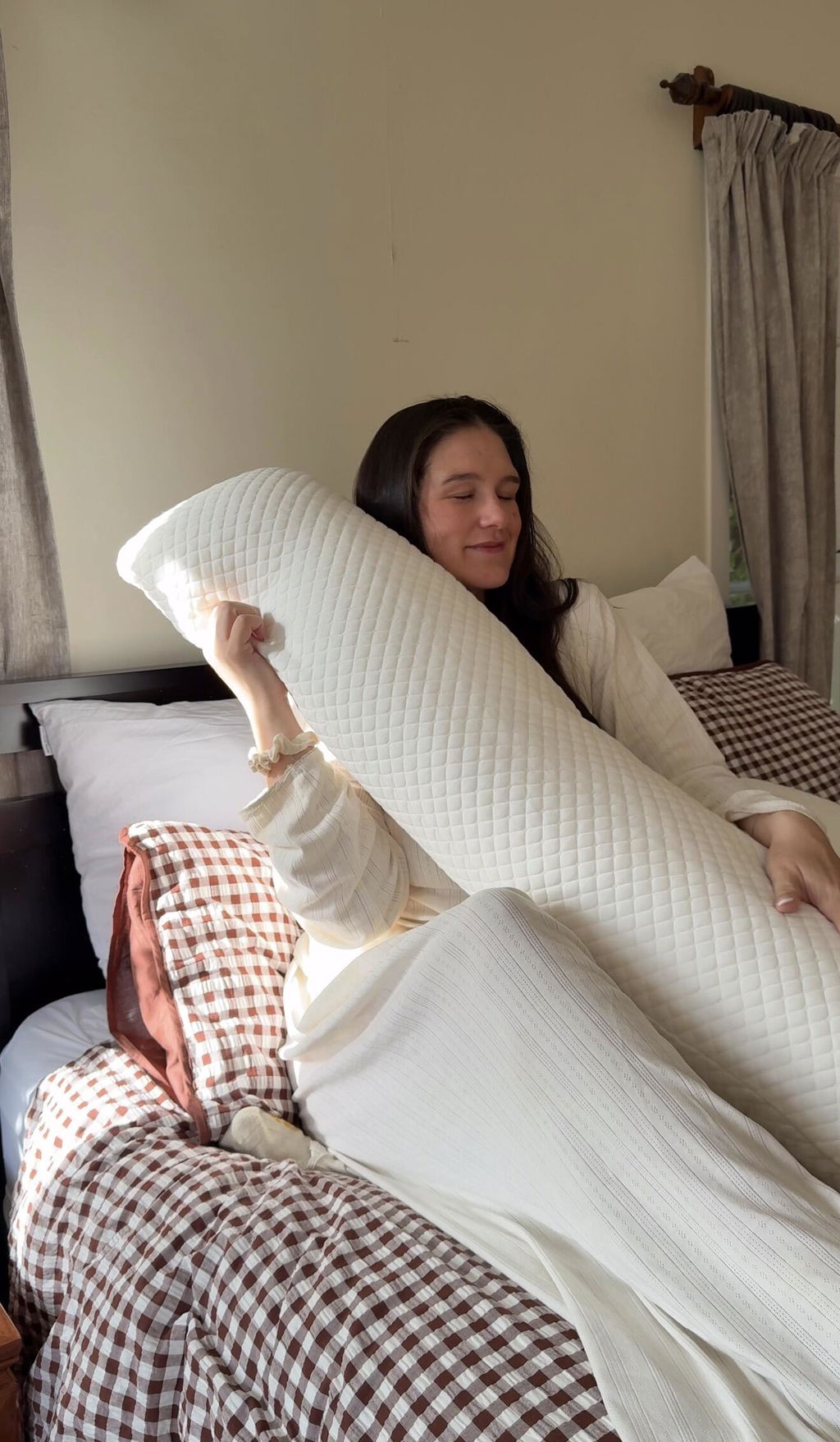
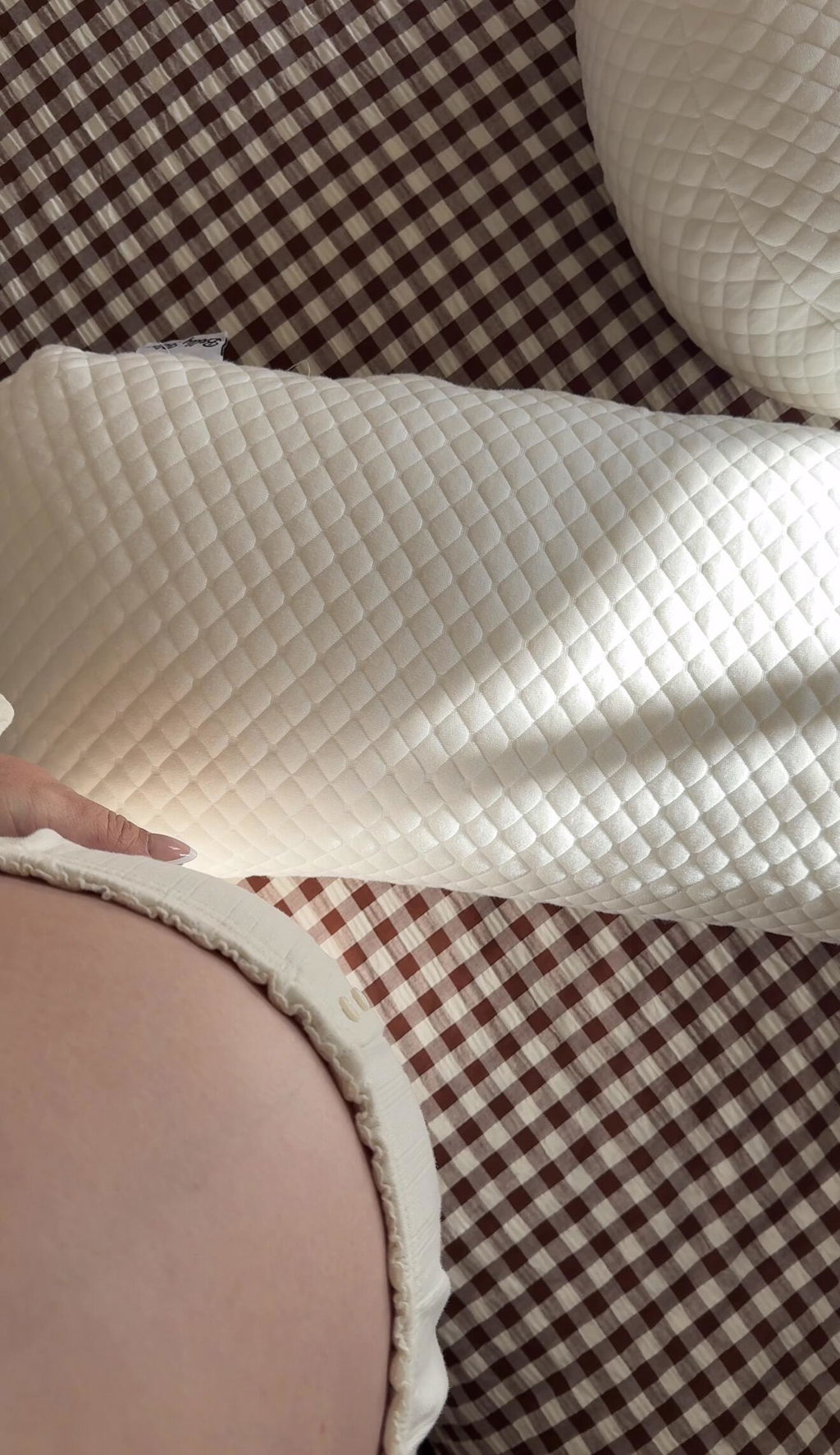
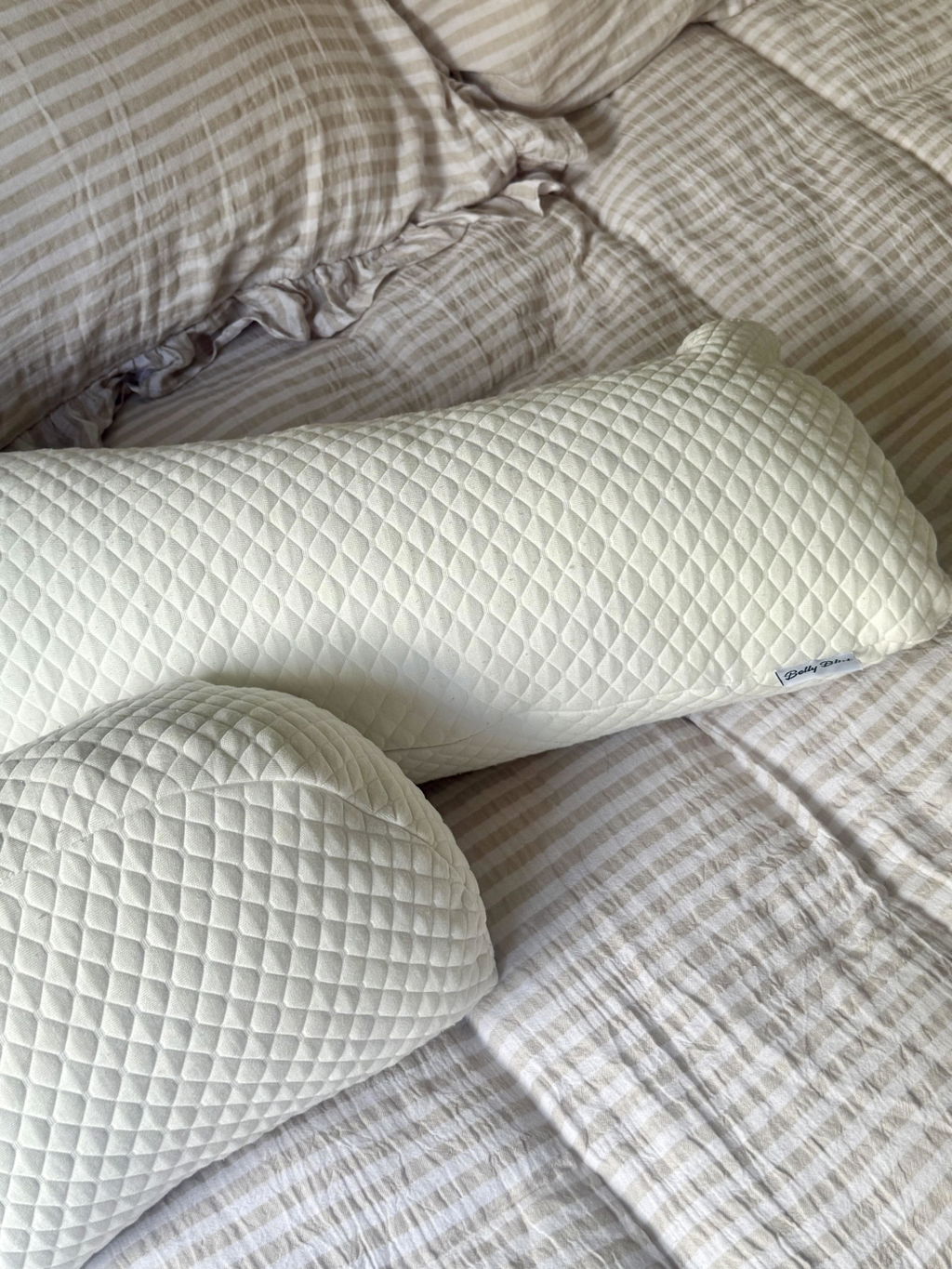
I designed the Belly Bliss pregnancy pillow so it could adapt as your body changed throughout pregnancy, then continue supporting you during breastfeeding and postpartum recovery.
I love buying products that last beyond one season of life, and that's exactly what I wanted this pillow to do.
Support That Continues After Birth
One of my favourite things about our pregnancy pillow is that it doesn't stop being useful once your baby arrives.
After giving birth, I simply reconfigured the pillow and used it almost every day while breastfeeding my son.
It helped support him during feeds while taking the pressure off my shoulders, neck and arms during those long newborn days.
Many mums also continue using their pregnancy pillow for:
- Breastfeeding and bottle feeding
- Extra back support
- Comfortable sitting positions
- Recovery after birth
- Lounging with baby
Frequently Asked Questions
When should I start using a pregnancy pillow?
There's no perfect time. Personally, I started using mine around 16 weeks because my sleep was already becoming uncomfortable. My advice is to start as soon as your regular pillows aren't giving you the support you need.
Is it worth buying a pregnancy pillow?
I genuinely think so. Looking back, it was one of the best purchases I made during pregnancy. Better sleep affects everything; your energy, your mood and how you feel throughout the day.
Can a pregnancy pillow help with hip pain?
It certainly can. Supporting your knees helps keep your hips aligned, reducing pressure on your pelvis and lower back while you sleep.
Can I use it after pregnancy?
Absolutely. One of the reasons I designed the Belly Bliss Pregnancy Pillow to be modular was so it could continue supporting mums through breastfeeding and postpartum recovery.
Final Thoughts
Pregnancy is an exciting time, but it also asks a lot of your body.
If your usual pillows aren't helping anymore, a pregnancy pillow can make getting comfortable at night so much easier. Better sleep doesn't just help you feel more rested, it helps you cope with everything else pregnancy throws your way.
Looking back, buying a pregnancy pillow was one of the best investments I made during both of my pregnancies, and I only wish I'd started using one even sooner.
A Note From Elle
I created Belly Bliss after experiencing just how difficult sleep can become during pregnancy. Every article I write is based on both my own experience as a mum of two and current pregnancy guidance, because my goal is to help other mums feel more comfortable and better supported throughout pregnancy and beyond.
If you're still deciding whether a pregnancy pillow is right for you, I hope this guide has helped you feel confident in choosing what's best for you and your growing baby.
Sources & Further Reading
- Health New Zealand – Sleeping safely during pregnancy
- American College of Obstetricians and Gynecologists (ACOG) – Sleep During Pregnancy
- Royal Australian and New Zealand College of Obstetricians and Gynaecologists (RANZCOG) – Healthy Pregnancy Advice